 Calvap
Hair loss in women · 7 min read
Hair loss in women: where it comes from
Most of the time, the cause is temporary. Sometimes a blood test or a dermatologist finds something else. How to make sense of it, and when not to wait.
Calvap editorial team · Updated · 9 sources
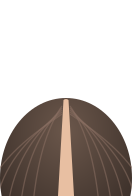
Your ponytail feels thinner than it used to. There’s more hair in your brush, in the drain, on your shoulders. You wonder if it’s stress, the pill, winter or something more serious. The American Academy of Dermatology actually lists a thinning ponytail among the signs worth paying attention to1.
In women, hair loss has many causes, and most of them are harmless and temporary2. The point is to tell apart the ones that go away on their own from the ones that need a doctor’s opinion.
How much shedding is normal
You lose between 50 and 100 hairs a day, often without noticing3. That’s normal turnover: a hair grows for years, rests for a few months, then falls out to make room for a new one4. On wash days you see more, simply because they all come out at once.
A handful one morning isn’t what should worry you. Shedding that goes on and on, or volume that drops month after month, is.
Temporary causes
Most sudden shedding works the same way: something pushes a lot of hairs into the resting phase at once. They then fall out together a few weeks later. Dermatologists call this telogen effluvium. It can affect up to half the hairs on your scalp4.
The catch is the delay. The hair falls out in large amounts two to three months after the trigger2. So you look for the cause in the past week, when it actually happened last season. The most common triggers:
- the season: shedding is often heavier in spring and especially in autumn2;
- pregnancy and giving birth: shedding after the baby arrives is very common, and we cover it in a full article2;
- the pill: some can make shedding worse, others can improve it2, and stopping a pill is a known trigger4;
- intense stress, such as a divorce or a death in the family, an illness or surgery5;
- weight loss or an unusual diet4.
Once the trigger has passed, most people get their volume back within 6 to 9 months5. Some women, though, keep shedding more than normal for a long time, sometimes for years. This is called chronic telogen effluvium4. That’s a reason to see a doctor.
What a blood test can look for
When there’s no obvious explanation, your doctor may order a blood test. The French Society of Dermatology (SFD) lists low iron, a thyroid problem, low vitamin D and B12 and hormonal problems2.
Iron first. Iron deficiency is common in women and can cause diffuse shedding. It’s often linked to heavy periods, several pregnancies or a diet low in iron2. Once your body gets back what it was missing, the hair can grow back5.
Then the thyroid. Whether it’s overactive or underactive, it can make your hair fall out2. The topic has its traps, including a delay of several months: we explain them in our article on the thyroid.
Hormones too. Polycystic ovary syndrome (PCOS) can affect your hair2. Acne, irregular periods or more hair on the face or body can point to it, but most women with PCOS don’t lose their hair6.
Finally, some medicines, for example for epilepsy or high blood pressure, can be the cause2. Never stop a treatment on your own: talk to the doctor who prescribed it.
Female pattern hair loss
When those causes have been ruled out and the shedding sticks around, it may be androgenetic alopecia, or female pattern hair loss. It affects about one woman in five by age 407. It’s largely inherited, and it can come from your mother’s side as well as your father’s7.
It doesn’t look like male pattern baldness. The hairline usually stays in place. The hair gets finer and sparser on top of the head, and a center part slowly gets wider. Complete loss is rare7. For most women it starts in their 40s, 50s or 60s, sometimes earlier, and becomes more common after menopause1.
These figures come from a British study that examined women who were seeing a dermatologist for a completely different problem8. They were patients at a single hospital, not a sample of the whole population. A more recent Thai study found 52% among 178 postmenopausal women aged 50 to 65, using standardized photos and a close-up scalp exam9. The numbers depend on how you count, but the trend is the same: the older you get, the more common it is.
Temporary shedding or pattern hair loss?
At first, the two look alike. DermNet points out that chronic telogen effluvium is often mistaken for female pattern hair loss, even though they aren’t managed the same way6.
A few clues help. Telogen effluvium makes hair fall out all over the head, fairly suddenly, a few months after a trigger. Female pattern hair loss moves slowly and stays on top, around the part. The hairs there get finer: under magnification, they don’t all have the same thickness7.
Female pattern hair loss is mostly diagnosed by examining the scalp, and no test is routine when it looks typical. Hormone tests are sometimes ordered, for example if your periods are irregular7. The dermatologist may also gently pull on a small bunch of hair: if several hairs come out easily, the shedding is still active7.
What helps day to day
No product stops hair loss on its own. Some habits still avoid damaging hair that’s already fragile.
- Shampoo doesn’t make shedding worse, so keep washing your hair as usual. The SFD does say that no shampoo really stops hair loss7.
- Hold the hair dryer at a distance, and not on the hottest setting7.
- Avoid very tight hairstyles. Repeated pulling can cause permanent loss5.
- Space out coloring, perms and straightening: they can damage your hair5.
- Wear a cap in the sun if you like: a hat or helmet doesn’t make pattern hair loss worse7.
When to see a doctor
With female pattern hair loss, seeing someone early really matters. Without treatment it tends to progress, and treatment works best when it starts at the first signs1. Your doctor can suggest a treatment that fits your situation. The NHS warns that none is 100% effective3, which is why its effect is judged over several months.
Tracking your hair with photos
Temporary shedding and early pattern hair loss differ mainly in how they change over time. One settles within a few months, the other moves slowly. The mirror won’t help you see the difference: the light changes, the angle changes, and you end up seeing hair loss everywhere.
Comparable photos will. Take the same photo every week: same room, same light, hair dry and styled the same way. Aim at the part, the crown and the temples, where female pattern hair loss shows first.
That’s what Calvap does. Your photos stay on your phone and line up on a timeline, area by area, with a journal to note stopping the pill, a stressful stretch or a treatment. You see the trend. And when you see a doctor, you bring dated photos instead of a feeling.
Sources
- American Academy of Dermatology: Female pattern hair loss
- French Society of Dermatology (dermato-info): All about alopecia
- NHS: Hair loss
- DermNet: Telogen effluvium
- American Academy of Dermatology: Hair loss, who gets and causes
- DermNet: Female pattern hair loss
- French Society of Dermatology (dermato-info): All about androgenetic alopecia
- Birch M.P., Messenger J.F., Messenger A.G. Hair density, hair diameter and the prevalence of female pattern hair loss. British Journal of Dermatology, 2001
- Chaikittisilpa S. et al. Prevalence of female pattern hair loss in postmenopausal women: a cross-sectional study. Menopause, 2022
Related reading
 PregnancyHair loss after giving birthCommon in the months after the birth, and temporary.
 PregnancyThat late-pregnancy volumeMany pregnant women find their hair gets thicker. It isn’t your imagination, and it doesn’t last.
 ThyroidThyroid problems and hair lossA thyroid problem can make your hair fall out. But the shedding often shows months later.